What are solid surface worktops?

What are solid surface worktops?

Solid surface worktops are engineered surfaces made from a blend of natural minerals, acrylic resin and pigments for colour.

Unlike laminate, a solid surface worktop has consistent composition throughout its entire thickness. This means:

  • Colour runs all the way through (no surface layer to wear away)

  • Scratches and marks can be sanded out

  • Joints can be made virtually invisible

  • Material can be thermoformed (curved, shaped)

  • Integrated sinks moulded from same material

  • Backsplashes and upstands seamlessly joined

When to choose solid surfaces

When to choose solid surfaces

Choose solid surface worktops if:

  • You value seamless appearance (no visible joints)

  • Integrated sink design appeals to you

  • You want repairable surface (peace of mind)

  • Hygiene is top priority (non-porous essential)

  • You prefer warmer feel than stone

  • Curved or unique designs interest you

  • Budget allows for premium material

  • Contemporary, minimalist aesthetic desired

  • Easy maintenance important

Consider alternatives if:

  • Maximum heat resistance needed

  • Extreme budget constraints

  • You prefer natural stone look

  • Ultra-high scratch resistance needed


What are the benefits of solid surface worktops?

What are the benefits of solid surface worktops?

Solid surface worktops offer a range of practical and aesthetic benefits making them the perfect fit for a variety of projects:

Durability

Solid surfaces are strong, impact-resistant, and designed for everyday use in busy kitchens and commercial spaces.

Seamless Appearance

Joints can be bonded invisibly, creating smooth, continuous surfaces, even with integrated sinks and upstands.

Hygienic & Non-Porous

Solid surfaces are non-porous, meaning it doesn’t absorb liquids or harbour bacteria. This makes it the perfect choice for kitchens, bathrooms, healthcare, and hospitality projects.

Characteristics of Solid Surface

Characteristics of Solid Surface

Non-Porous Surface

  • Bacteria and mould cannot penetrate

  • Hygienic and food-safe

Colour Throughout

  • Damage can be repaired by sanding

  • Joins virtually invisible when colour-matched

  • No surface layer to wear through

Thermoformable

  • Can be heated and shaped

  • Integrated features (drainer grooves, sinks)

  • Seamless coved upstands

Renewable Surface

  • Scratches sand out

  • Burns can be repaired


Solid Surfaces FAQs

Solid Surfaces FAQs

What is Hanex solid surface made of?

Hanex solid surface is primarily made from acrylic resin combined with natural minerals and pigments.

What This Means for You

  • The 100% Acrylic Composition offers superior durability and long-term colour stability

  • It can be heated and shaped into curves

  • Hanex solid surfaces are non-porous and hygienic as they are resistant to stains and bacteria

The acrylic-based composition makes Hanex particularly suitable for both residential and commercial projects.

 How do I clean and maintain solid surface worktops?

Maintaining solid surfaces is easy, simply use warm soapy water and a soft cloth and for stubborn marks you should use a non-abrasive household cleaner. It's important to avoid harsh chemicals, strong solvents, and direct heat from pans.

 What colours and styles are available in solid surface worktops?

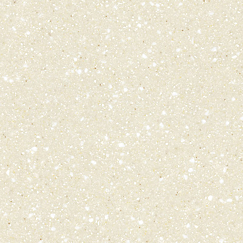
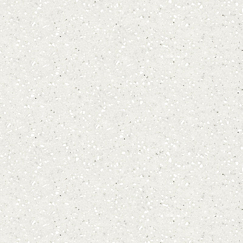
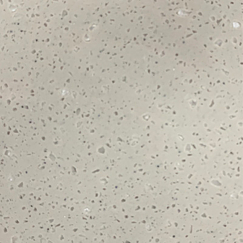
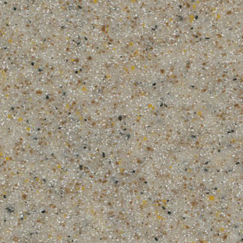
We offer solid surface worktops in the following colours: black, blue, grey, orange, red, stone, white, and yellow. As well as marble-inspired designs, concrete effect, and subtle speckled finishes

Hanex manufacture dozens of colours suitable for modern and traditional home or commercial interiors. Whether you're looking for a minimalist white or a bold feature surface, there are options to suit every project.


More Solid Surface FAQs

More Solid Surface FAQs

What are the common uses of solid surfaces?

Solid surface is extremely versatile and commonly used in kitchens for worktops, islands, splashbacks; bathrooms for vanity tops and integrated basins; and commercial spaces for reception desks, retail counters, and bars.

Its seamless and hygienic properties make it ideal for high-use areas.

 How do I install a solid surface?

Solid surface installation typically involves:

  1. Accurate measuring and templating

  2. CNC cutting and machining

  3. Bonding seams with colour-matched adhesive

  4. Sanding and finishing for a seamless look

  5. Professional installation on-site

Because solid surface requires specialist fabrication tools and experience, we strongly recommend the use of professional installation teams.

We offer precision CNC cutting and machining services, ensuring accurate fabrication, seamless joints, and a high-quality finish to help you produce beautiful results on every project.

Do you want to learn more about solid surfaces?

Contact our team today for information or a quote. The beauty of our Hanex solid surfaces will help you turn your renovation vision into a reality.